

How it started.
Somehow planting trees in my neighborhood turned into an urban farming career.

In 2008, I was part of a grassroots tree-planting group called Wrigley Is Going Green (WIGG), named after the Wrigley neighborhood where I lived. After greening medians and hosting crop swaps at our local meetings, our group was approached by the city council office with an idea: there was an apartment building that had been razed, leaving behind an empty lot. Habitat for Humanity housing was planned for the parcel, but in the meantime, would we like to start a community garden?
Sure—why not?
I didn’t know anything about organizing or running a community garden, but how hard could it be? I had time between film jobs and figured I could make it happen.
Wrigley Garden turned out to be an amazing story on its own. I learned a lot—mostly that running a community garden is a lot of managing people. I instantly knew that part wasn’t for me. I’m production-minded, and the constant diplomacy—convincing people to pull weeds, remove the pine tree they randomly planted, or stop taking all the eggs from the coop—just wasn’t how I wanted to spend my time.
No thanks. I wanted to build something different. Something I could use to maximise a plot of land. Portland had pocket farms all over town and Long Beach didn’t have any. I saw an opportunity. I started scouting property for a farm. I didn’t know how to farm, but hey—you can learn anything on YouTube.
After checking out multiple spots around Long Beach, I found an abandoned, sloped lot off California Avenue. The place was a disaster: carpet padding, kitchen sinks, tires, telephone poles, barrels of toxic oil waste (Long Beach). It had clearly been a dumping ground for years. Ask any Old Timer and I bet they used to dump there. I get it, dumping waste is expensive, just throw it out back. Nobody cares.
As we dug into its history, we discovered this area dated back to an 1881 map that labeled it as “Lot Number 59.” (Or maybe 57… possibly 58—it was hard to read.) We pieced it together using landmarks and waterways until we landed on 59.
That’s how Farm Lot 59 got its name—a nod to Long Beach’s early agricultural roots.
In 1881, William Willmore partnered with J. Bixby & Co. to develop the American Colony, a 4,000-acre piece of Rancho Los Cerritos. The 350-acre townsite, Willmore City, would eventually become downtown Long Beach. The rest of the American Colony was divided into 20-acre farm lots numbered 1 through 185. Willmore City and the American Colony were renamed Long Beach in 1884, but the farm lots remained until rapid urbanization and the arrival of the Pacific Electric Railway in 1902. Because of its terrain and role in the city’s water infrastructure, Farm Lot 59 was never developed—remaining city-owned and largely forgotten.
During this time, I was pregnant with my son, Nalu. He was my reason for wanting to do this—to create a space where he could grow up connected to nature, even in the middle of the city. There was no RFP (Request for Proposal) for the property; I simply took it upon myself to make the pitch, sell Parks and Recreation Commission on the vision, and finally convince the city council to let me build a farm.
That decision paved the way for urban agriculture in Long Beach.
At the time, I didn’t realize I was becoming one of those “do-gooders”—changing ordinances to allow chickens, bees, and goats in the city. But that’s exactly what happened. It’s been a journey I never saw coming—one that’s changed my life, raised a child, and inspired countless others I may never meet.
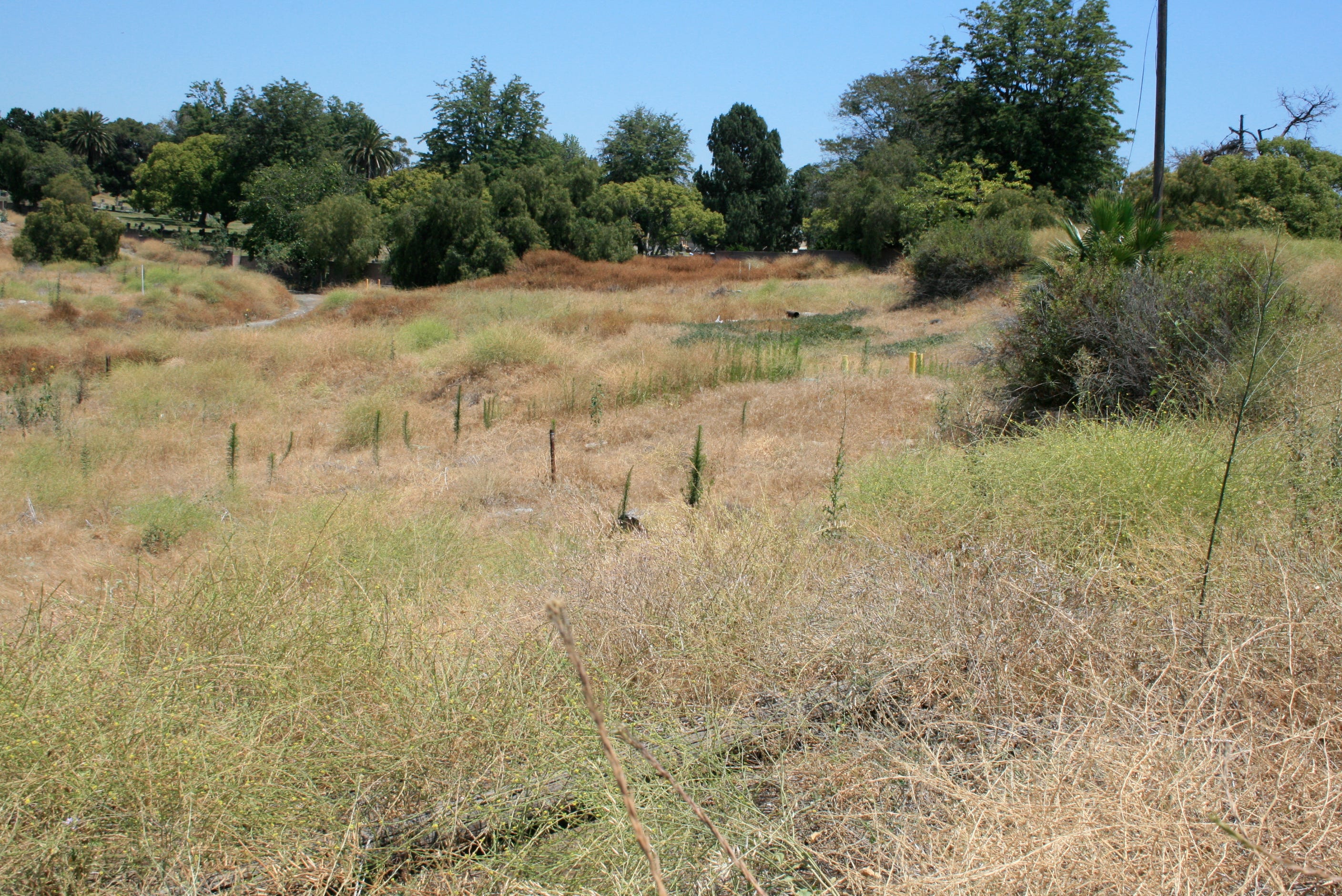
Fifteen years later, I’m still on that journey.
If you are interested in starting your own urban farm, I am going to post chapters from my Farm School Training Manual. This course was taught on the farm for 5 or 6 years. It’s a great crash course in everything from land acquisition, budgeting, farming, post-harvest handling, market requirements, design skills, composting, building structures, and small farm tools. Everything.
Next up (for paid subscribers): Land Acquisition
We’ll cover how to:
Identify potential farm locations—what to look for and what to avoid
Determine how much land you can realistically manage
Start planning your farm business around what you’ll grow, where you’ll sell, and which business model fits best
Decide whether this will be your full-time work or a side venture
Understand the basics of farm budgeting
It’s the foundational groundwork every aspiring urban farmer needs before breaking ground.
I’ll still be posting Free articles for the non-farming folks and friends that just want to hear what’s happening. We also have monthly Live Sessions scheduled.
Leave a comment, send us a note, email and let me know what free topics you are interested in. Thanks for connecting. Have a great fall.
In bloom,
Sasha